Compare Local Contractors for Bulk Soil Delivery Services
Compare local contractors for bulk soil delivery to define scope, verify experience, and set clear expectations, ensuring a smooth and successful project.
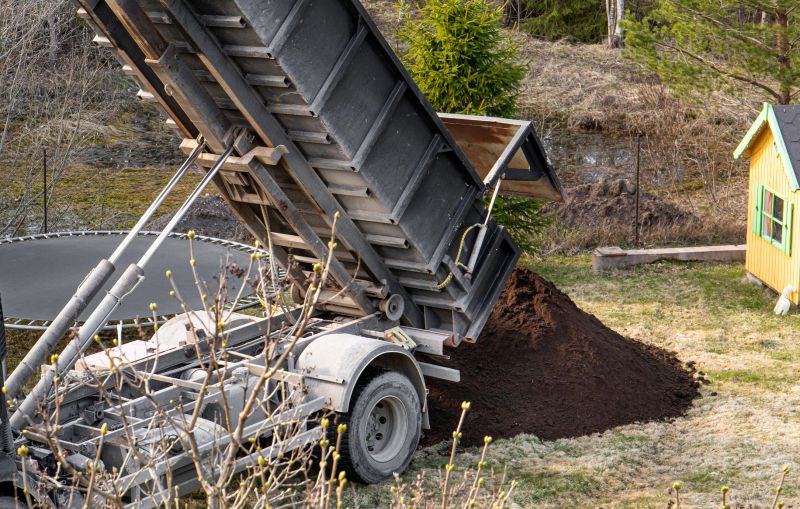
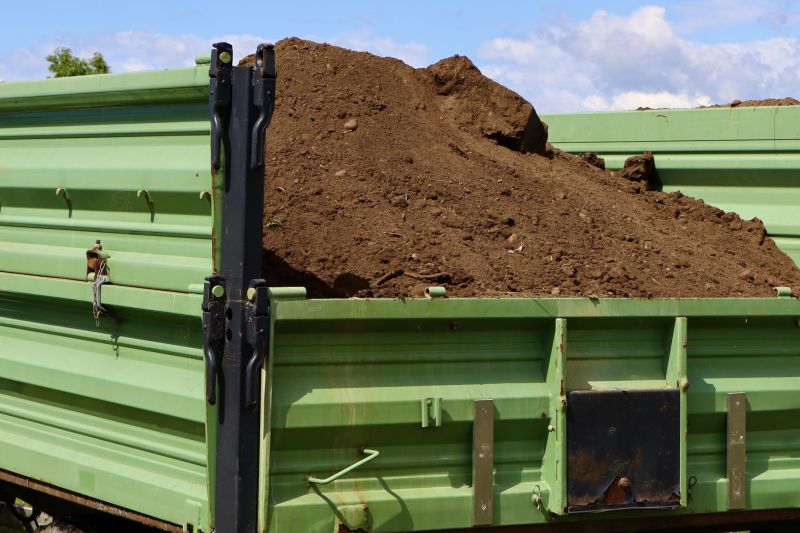
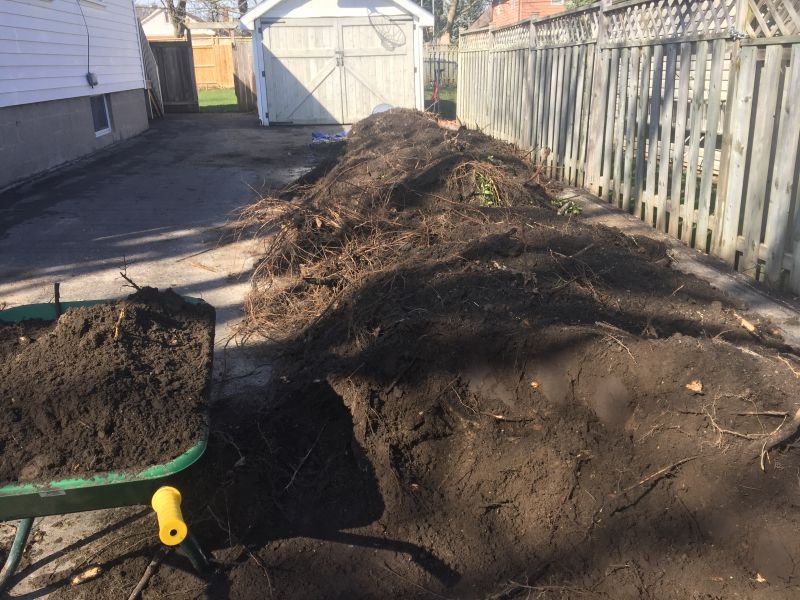
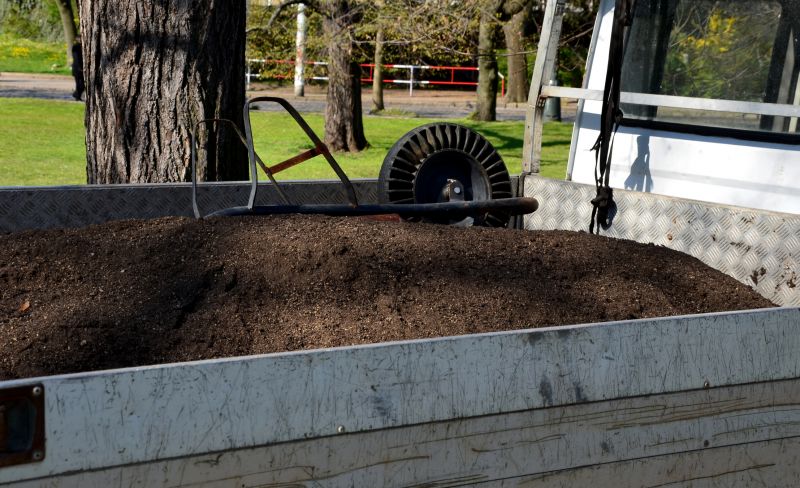
Bulk soil delivery services typically involve transporting large quantities of soil directly to a property’s site, often for landscaping, gardening, or construction projects. These services encompass tasks such as loading soil at a supplier’s location, transporting it via trucks, and unloading it at the designated area. Some contractors may also assist with spreading or leveling the soil once delivered, depending on the scope of work. Understanding what a contractor’s service covers helps property owners ensure the job meets their specific needs, whether they require just the delivery or additional site preparation.
Defining the scope of work is a crucial step in working with bulk soil delivery contractors. Clear communication about the quantity of soil needed, delivery points, and any additional services helps prevent misunderstandings and sets realistic expectations. Property owners should specify details such as the type of soil, delivery timing preferences, and any site-specific considerations like access restrictions or unloading requirements. Documenting these details in writing creates a reference point that can help avoid disputes and streamline the project process.
Comparing local contractors involves evaluating their experience, reputation, and the scope of services they offer. Property owners can gather information by reviewing credentials, seeking recommendations, or checking references. It’s important to verify that contractors have experience handling projects similar in size and complexity, and to clarify what is included in their service offerings. When engaging with multiple service providers, asking detailed questions about scope, process, and expectations can help identify the most suitable contractor for the specific soil delivery needs, ensuring a smooth and efficient project.
Compare local contractors by outlining your project priorities, verifying experience, and clearly defining expectations in writing.
- Compare Contractor Experience - Review the background and project history of local contractors to ensure they have relevant experience with bulk soil delivery.
- Define Project Scope Clearly - Outline the quantity, type, and delivery requirements to establish clear expectations with service providers.
- Verify Credentials and References - Check references and verify the reputation of local contractors to assess their reliability and quality of work.
- Document Terms in Writing - Ensure all project details, responsibilities, and expectations are documented in a formal agreement.
Clearly describe your project needs before comparing local contractors to ensure accurate scope and expectations.
- Verify experience and expertise of local contractors in bulk soil delivery. - Ensure service providers have a clear understanding of soil types and delivery requirements.
- Define the scope of work in writing, including quantity, delivery method, and site access details. - Clarify expectations and responsibilities to prevent misunderstandings.
- Compare multiple local contractors to assess their capabilities and service offerings. - Look for providers with a proven track record in soil delivery projects.
- Check references or reviews to gauge the reliability and quality of the service providers. - Gather insights on past performance and customer satisfaction.
- Confirm that contractors can accommodate specific site conditions and delivery constraints. - Discuss site access, delivery timing, and any special handling needs upfront.
- Ensure all project details are documented, including scope, responsibilities, and any special considerations. - Keep a written record to facilitate clear communication and accountability.
Compare local contractors to clarify scope, verify experience, and set clear expectations in writing.

Use consistent comparison criteria across local contractors to clearly define scope, verify experience, and set written expectations.
- Scope Definition - Clearly specify the amount, type, and quality of soil needed for the project.
- Experience Verification - Confirm that local contractors have experience handling bulk soil deliveries similar to the scope.
- Service Details - Outline the delivery process, including access requirements, unloading procedures, and site preparation expectations.
- Written Agreement - Ensure all scope details, responsibilities, and expectations are documented in a formal agreement.
- Provider Comparison - Evaluate multiple local service providers based on scope clarity, experience, and service offerings.
When comparing contractors for bulk soil delivery, it’s important to assess their experience with similar projects. Homeowners should inquire about the types of soil delivery jobs they have completed, especially those comparable in size and scope to the current project. Service providers with a history of handling projects similar in scale and complexity are more likely to understand the unique challenges involved and deliver results that meet expectations. Reviewing their background in soil supply and delivery can help ensure that the chosen contractor has the relevant expertise to manage the specifics of the job efficiently.
A clear, written scope of work is essential when evaluating bulk soil delivery contractors. This document should outline the details of the project, including the quantity of soil, delivery locations, access considerations, and any special requirements. Having a well-defined scope helps prevent misunderstandings and provides a basis for comparing different service providers. Homeowners are encouraged to request detailed proposals that specify what is included and excluded, ensuring that all parties share a common understanding of the project’s parameters.
Verification basics are key to making an informed choice among local contractors. It’s advisable to verify the contractor’s experience through references or past project summaries, and to confirm their familiarity with local delivery regulations and site conditions. Additionally, understanding the contractor’s process for handling unexpected issues or delays can provide insight into their reliability and professionalism. While formal licensing or certification may not be a requirement, gathering information about their operational practices can help homeowners identify service providers with a solid track record.
Evaluating options without focusing on prices involves examining how well each contractor’s proposal aligns with the project’s scope and requirements. Homeowners should compare the clarity of communication, the thoroughness of the scope outlined, and the experience demonstrated by each service provider. Consideration should also be given to how each contractor plans to verify and confirm project details, as well as their approach to managing site-specific challenges. By focusing on these aspects, homeowners can select a soil delivery service that best fits the project’s needs based on expertise, clarity, and reliability.
Request written scope details to ensure clear expectations and consistent understanding among service providers.
- Scope of Service - What specific tasks and responsibilities are included in the bulk soil delivery?
- Experience and References - How long have the service providers been handling bulk soil delivery, and can they provide references?
- Material Quality - What types of soil do the contractors typically deliver, and how is quality verified?
- Equipment and Capacity - What equipment do the contractors use, and what is their capacity to handle the required volume?
- Written Agreements - How do the contractors define and document the scope of work and expectations in writing?
How can I compare contractors for bulk soil delivery? To compare local service providers, review their experience, scope of services, and customer feedback, then request clear written details to make an informed choice.
What should I define in the scope of work for soil delivery? Clearly specify the amount of soil needed, delivery location, and any special handling requirements to ensure contractors understand the project expectations.
How can I verify a contractor’s experience with soil delivery? Ask for references or examples of previous projects similar in scope, and check the contractor’s background to ensure they have relevant experience.
Why is it important to have the scope of work in writing? Having the scope documented helps prevent misunderstandings, sets clear expectations, and provides a reference for project details throughout the process.
What questions should I ask a contractor before hiring for bulk soil delivery? Inquire about their process, equipment used, experience with similar projects, and how they handle special delivery conditions to gauge their suitability.
How can I ensure the contractor understands my project requirements? Communicate your needs clearly and in detail, and request a written agreement that outlines all aspects of the soil delivery scope and expectations.
This page has highlighted key steps for finding reliable contractors to handle bulk soil delivery. Visitors learned how to define the scope of their project, verify the experience of service providers, and set clear expectations in writing to ensure a smooth process. Comparing local contractors helps identify options that best meet specific project needs, making it easier to make informed choices.
To move forward, using the quote form is a straightforward way to connect with local service providers who can manage bulk soil delivery. Taking the time to compare different options allows for a better understanding of available services and helps ensure that expectations are aligned. Engaging with local contractors through this process can support finding the right partner for the job.